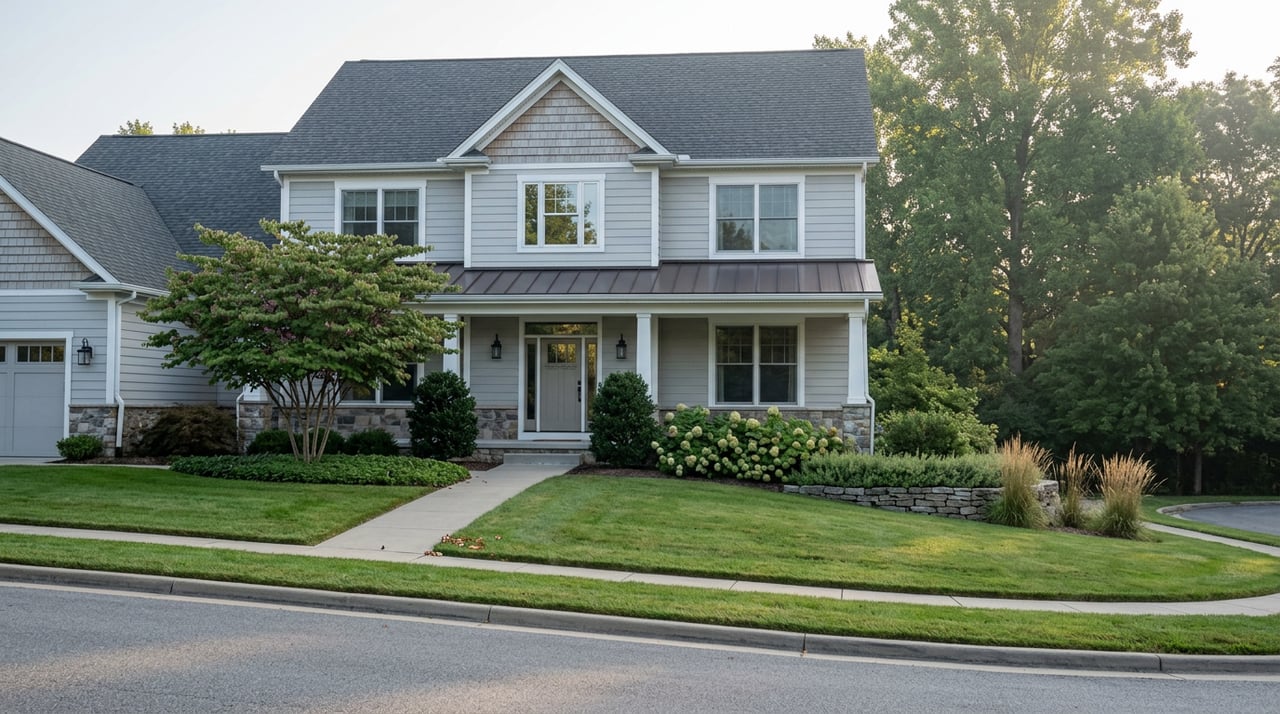

Thinking about selling your Charlottesville home but unsure how the process really works? You are not alone. A great sale starts with clear expectations, smart prep, and a plan that fits our city’s unique market. In this guide, you will learn what happens from the first consult to closing, how timing and pricing work in Charlottesville, and what to budget and disclose. Let’s dive in.
Charlottesville market snapshot
Charlottesville demand is shaped by the University of Virginia, regional employers, and lifestyle amenities like the Downtown Mall and nearby Blue Ridge access. Homes close to UVA or walkable neighborhoods often draw strong interest from both owner-occupants and investors. Outlying neighborhoods and newer subdivisions typically compete more on price, lot size, and modern finishes.
Seasonality also matters. Spring is busy, yet the academic calendar creates a late summer and early fall pulse as leases turn and investors shop. To time your launch, review the UVA academic calendar and talk with your agent about recent local trends. For current, city-specific stats, check the Charlottesville Area Association of REALTORS CAAR resources or ask your agent to share the latest report.
Your listing timeline
- Pre-list consult and pricing plan: 0–7 days. Walk-through, goals, comps, and a recommended pricing range.
- Prep, repairs, and staging: 1–4 weeks. Declutter, deep clean, handle small fixes, and fine-tune curb appeal.
- Photos and marketing assets: schedule after prep, 1–7 days for delivery. Professional photos, floor plan, 3D tour, and more.
- Live on the MLS and launch: first 1–14 days are critical. Maximize showings and track feedback.
- Offer negotiations: variable. Review price, terms, contingencies, and timing.
- Under contract to close: typically 30–45 days, sometimes up to 60 depending on financing.
Smart pricing strategy
Your pricing should reflect recent comparable sales in the same or very close Charlottesville sub-neighborhoods. Quality comps account for size, updates, lot features, and the UVA-adjacent premium where applicable. You can price at market for steady interest or slightly under to spark competition. Your agent will outline tradeoffs between speed and maximizing your net.
Prep that pays off
Small improvements add up. Focus on light, space, and condition.
- Declutter and deep clean, remove visual distractions.
- Knock out quick fixes like leaky faucets and burned bulbs.
- Refresh with neutral paint and simple landscaping.
- Consider a pre-list inspection to surface issues early. When buyers see fewer surprises, negotiations are often smoother.
If your home is older or in a historic area, check rules before changing visible exterior features. Properties in Charlottesville’s historic districts may require review by the Architectural Review Board. Your agent will help you confirm what applies, and when in doubt, consult the City’s official guidance.
Marketing that moves buyers
High-quality, fast marketing gets eyes on your home right away.
- Professional photos and, when appropriate, twilight images.
- Floor plan and a 3D tour for out-of-town and busy buyers.
- Drone imagery where useful, following FAA UAS guidelines.
- A clear, benefits-focused property description and features list.
- Broker tours, open houses when appropriate, targeted social ads, and email to agent networks.
Once your listing is live in the MLS, it syndicates broadly to brokerage sites and major portals. Your agent should share weekly metrics, including online views, showings, and feedback, along with any recommended adjustments.
Showings and feedback
The first two weeks are prime. Aim for flexible showing times, especially evenings and weekends. Use a lockbox or scheduled appointment platform and plan to be out during showings. Your agent will summarize buyer comments and highlight action items that can help your home stand out.
Offers and negotiation
When offers arrive, compare more than the price.
- Terms: financing type, down payment strength, and timelines.
- Contingencies: inspection, appraisal, and loan approval.
- Concessions: repair requests or credits.
- Extras: personal property, rent-backs, or escalation clauses.
Your agent will help you weigh certainty, speed, and net proceeds. In Virginia, practitioners commonly use Virginia REALTORS forms, so documentation will feel standardized across many transactions. For consumer-friendly legal context, visit Virginia REALTORS.
From contract to close
Expect the buyer to schedule inspections, then negotiate repairs or credits. If the appraisal comes in low, you may renegotiate, the buyer may bring cash to closing, or both sides may adjust terms. Title work runs in the background. In Virginia, settlement is typically handled by a title company or settlement agent. Coordinate move-out timing, utility transfers, and access codes with your agent so the final walkthrough and key handoff are smooth.
Costs and disclosures
Budget for common seller expenses and complete required disclosures.
- Typical seller costs: brokerage commission per your agreement, prorated taxes and HOA dues, title or settlement fees as custom dictates, mortgage payoff, recording fees, and staging or prep costs.
- Lead-based paint: for most homes built before 1978, provide the federal lead disclosure and the EPA pamphlet. Review the EPA lead disclosure guidance.
- Seller property disclosure: complete the standard Virginia forms your agent provides.
- HOA resale package: deliver covenants, rules, and current dues if applicable.
- Local considerations: if the property has been a rental, confirm any city requirements and be ready to disclose existing leases. Short-term rental rules can affect marketing and buyer pool.
When in doubt, talk with your agent or a Virginia real estate attorney. Accurate disclosures reduce risk later.
Charlottesville nuances to note
- UVA and investors: Homes near UVA or bus lines may attract investor interest. If you have tenants, disclose leases and income, and plan showings around occupancy.
- Historic districts: Exterior changes in designated areas may require approvals. Verify status before altering visible features.
- Short-term rentals: City rules can influence buyer strategy. Clarify whether past or current STR use requires disclosure or affects permits.
- Site factors: Floodplains, easements, septic vs. city sewer, and well water can impact financing and insurance. Document known conditions early.
Seller checklist
Gather these items before you launch.
- Mortgage payoff details and lender contact
- Recent tax and utility bills
- HOA documents, if applicable
- Warranties, receipts, and permits for major work
- Keys, garage remotes, and alarm codes
- Copies of leases and rent ledger if tenant-occupied
- Your preferred closing dates and move-out plan
Why work with a local team
You deserve a straightforward plan, strong presentation, and skilled negotiation. Our team-based approach gives you pricing expertise, staging guidance, and quick, high-quality marketing, including in-house inspection insight and aerial photography when appropriate. We have guided more than 1,800 families across Central Virginia with a relationship-first mindset and a focus on smooth, predictable outcomes.
Ready to see your options and timing? Connect with the Marjorie Adam Team, REALTORS® to request your free home valuation and a clear, local plan.
FAQs
When is the best time to list in Charlottesville?
- Spring is traditionally active, and the UVA academic cycle adds late summer and early fall momentum, so align your prep and launch with your goals and timeline.
How long does selling usually take after going live?
- Many homes receive most activity in the first 1–2 weeks, then once under contract, closings commonly run 30–45 days depending on financing.
Do I need a pre-list inspection?
- It is optional, yet many sellers choose it to find issues early, set buyer expectations, and streamline repair negotiations.
How do historic district rules affect my sale?
- If your home is in a designated district, exterior changes often need review, so confirm status before making visible updates and disclose any recent work.
What disclosures are required for older homes?
- For most homes built before 1978, you must deliver the federal lead-based paint disclosure and provide the EPA pamphlet to buyers.
Who handles closing in Virginia?
- A title company or settlement agent coordinates title work, closing statements, and final signing, while your agent manages deadlines and logistics.