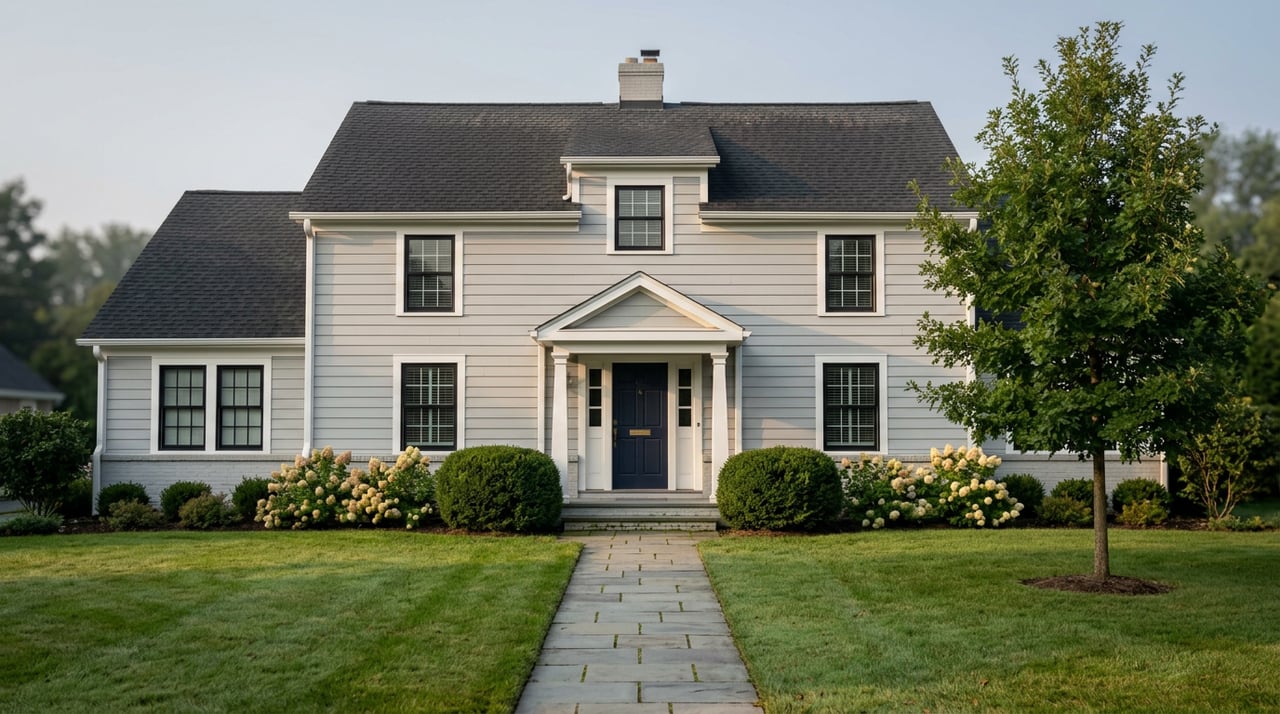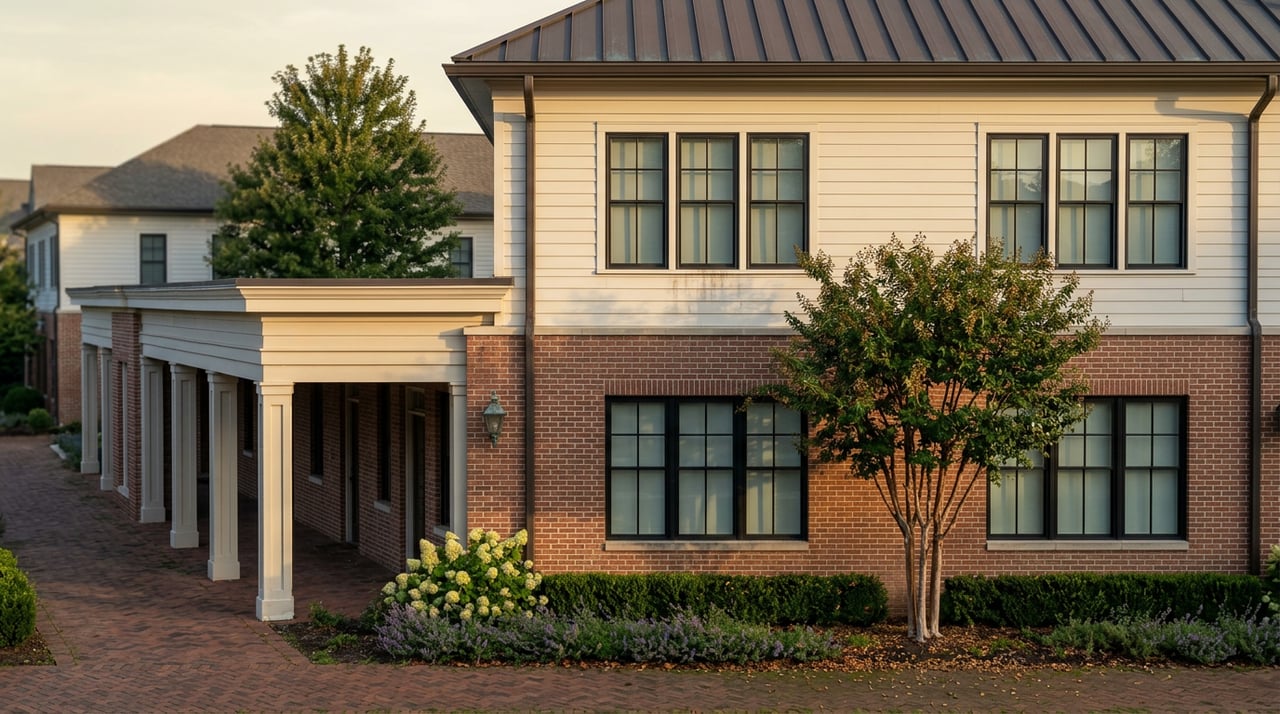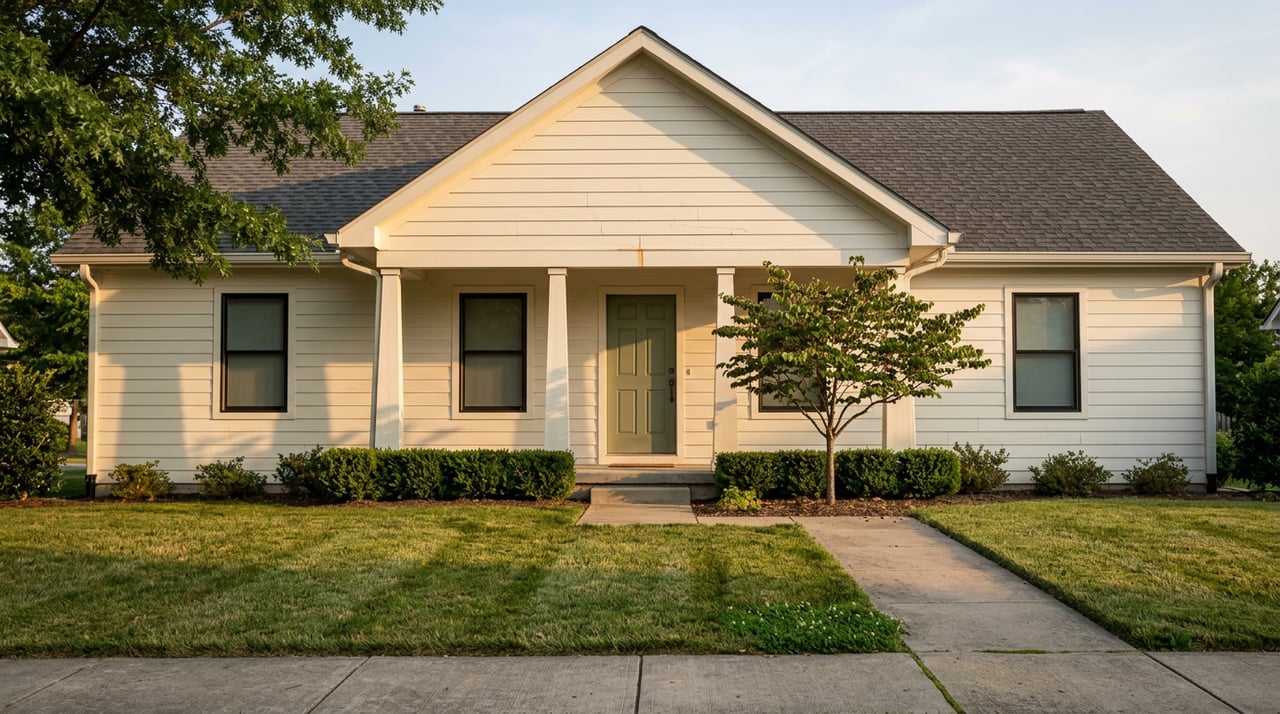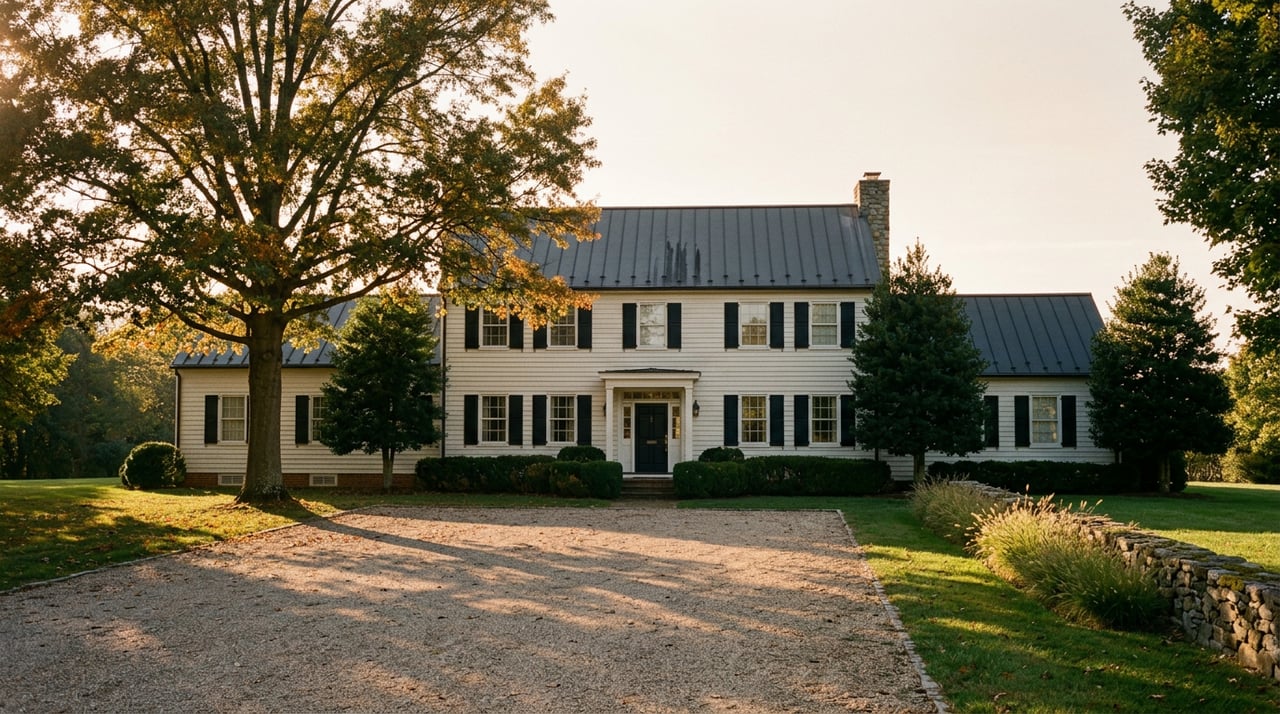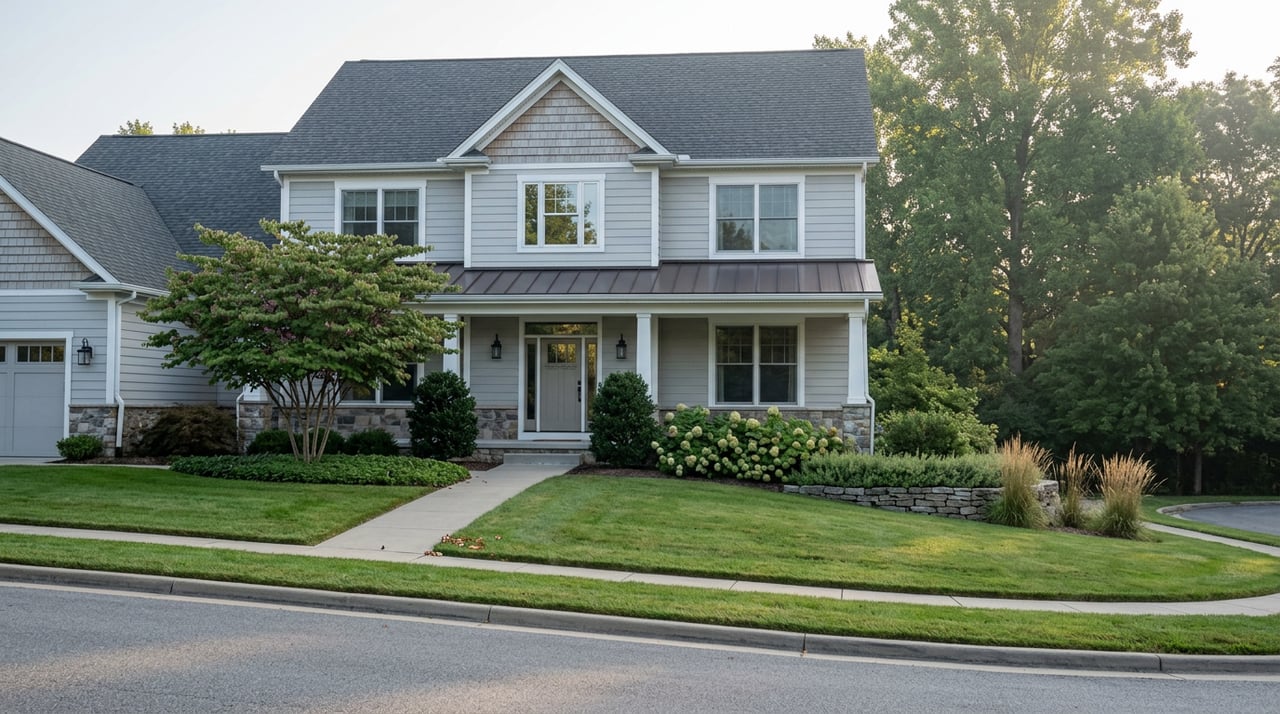
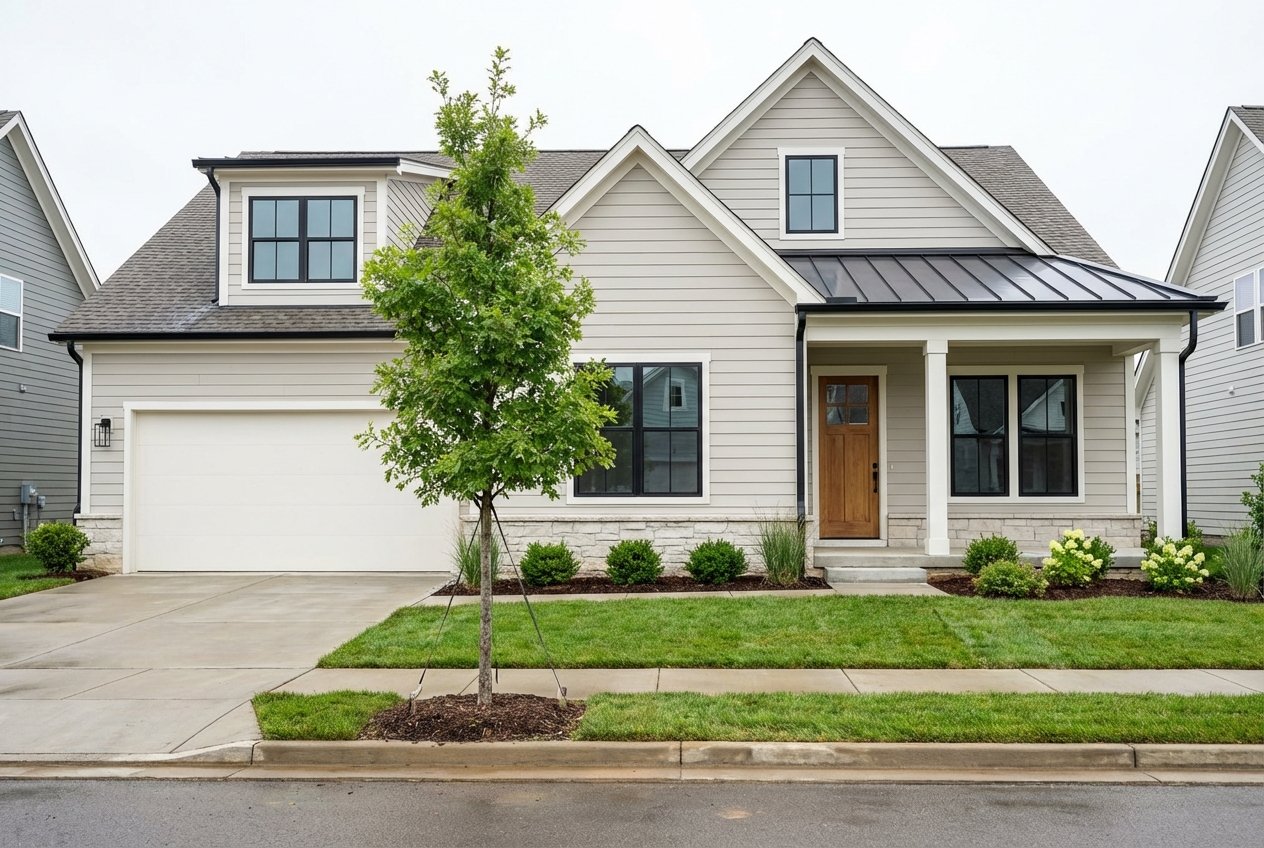
Shopping for a brand-new home in Albemarle County can feel exciting and overwhelming at the same time. You have more choices than ever, from master-planned neighborhoods to custom builds on acreage. In this guide, you’ll see where new construction is happening now, what to expect when you buy new, and the smart questions to ask before you sign. Let’s dive in.
Crozet: Old Trail and nearby options
Crozet continues to be one of the most active areas for new homes. Old Trail Village is a long-running, phased community with ongoing releases and multiple builders. You can scan current offerings on the developer’s page at Old Trail Village and through builder pages like Craig Builders at Old Trail. Recent reporting also highlights continued growth within Old Trail’s newer blocks along Route 250. You can read more in the Crozet Gazette’s update.
Expect a mix of single-family homes, villas, and townhomes, including some move-in ready options. Based on recent builder listings, single-family homes often run from the mid 600s to the 900s, with higher prices for premium lots. Newer townhome product can offer a lower entry price. Other Crozet communities like Pleasant Green and Glenbrook also serve a range of budgets and footprints.
Route 29 North: Brookhill, Belvedere and Places29
North of Charlottesville along Route 29, you’ll find multi-phase neighborhoods with townhomes, villas, and single-family homes that appeal to commuters and shoppers near the corridor. Brookhill has been active with a variety of product types. You can explore what is available at Greenwood Homes’ Brookhill page.
This area is guided by Albemarle County’s Places29 Master Plan, which focuses growth where public utilities and road improvements are planned. If you want the planning backdrop, review the County’s master planning pages. As with any large project, it is smart to confirm utility capacity and phasing with the builder and the County. Local reporting has discussed sewer capacity and infrastructure timing in past approvals, which you can see in Charlottesville Tomorrow’s coverage.
Pantops and the east side
If you want close-in access without being in the City, Pantops and the Route 250 east corridor offer smaller infill neighborhoods, new townhome sections, and some quick-move-in single-family options. Inventory rotates quickly. Ask about current releases and any spec homes that can close sooner.
Close-in, low-maintenance townhomes
Near Charlottesville’s core, look for compact townhome communities and attached home pockets along Rio Road and Route 29. Builders like Greenwood, Stanley Martin, and Southern Development have delivered low-maintenance options close to services and UVA. These neighborhoods can work well if you want less yard care and quick access to daily needs.
Rural custom: Ivy, Keswick and Earlysville
If views, acreage, or a bespoke floor plan top your list, rural Albemarle has custom and semi-custom builds on larger parcels. Ivy, Keswick, and Earlysville offer estate-style lots and design-build opportunities. Timelines are longer and costs vary by site work and finishes. Expect more hands-on decision making, from well and septic planning to landscape design.
How buying new differs from resale
Buying new can feel different from a traditional resale purchase. A few areas matter most for your planning and budget.
Build timeline and inspections
Most single-family new builds finish in roughly 6 to 9 months once construction starts, although weather, supply chains, and permitting can extend that window. For national context on typical timelines, see this overview of build durations from Moneyzine. Plan key checkpoints like a pre-drywall review, a final inspection before closing, and an 11-month warranty inspection to catch items while coverage is active. For an overview of the new construction process and inspections, review this buyer’s guide.
Contracts, deposits and representation
Builders use their own purchase agreements, and on-site sales teams represent the builder. Bring your own buyer’s agent to protect your interests and help you evaluate terms and incentives. Deposit structures vary by builder and can be staged. Get the schedule and refund rules in writing before you pay anything.
Financing and rate strategy
Move-in ready homes usually close with a standard mortgage. To-be-built or custom homes may use construction-to-permanent loans, which combine the build and the permanent mortgage in one structure. Because you might lock a rate months before closing, talk with a lender who understands builder timelines and rate-lock options. Many builders also offer incentives like temporary rate buydowns. Compare the total value of a builder’s incentive with outside lender quotes. For a broad look at loan and incentive considerations, see this new construction guide.
Warranties you have in Virginia
Virginia provides important baseline protections on new homes. Under Virginia Code § 55.1-357, buyers receive an implied one-year warranty on the dwelling and a five-year warranty on the foundation, unless a builder follows strict rules to waive it. You typically must give written notice and allow time to cure before pursuing legal remedies. Many builders also layer on a third-party or “1-2-10” style warranty. That usually means one year on workmanship, two years on systems, and ten years on structural coverage. For an example of how a 2-10 program works, review this warranty overview.
Incentives and negotiation
Builders often provide closing cost help, design upgrades, or temporary buydowns, especially on spec homes or at the end of a phase. Always get incentive details in writing and understand any requirement to use a preferred lender or title provider. For context on common incentives, see this guide to buying new construction.
Budgeting for extras
The base price rarely includes everything. Plan for lot premiums, certain design upgrades, landscaping and fencing, window treatments, and HOA startup fees. Ask for a detailed inclusions list and a written price sheet for upgrades so you know your true all-in number.
Buyer checklist: what to confirm before you sign
Use this quick list to keep your build on track and protect your budget.
Contract and timing
- Ask for a full copy of the builder contract before you pay a deposit.
- Confirm the written estimated completion date and what happens if there are delays.
- Note any arbitration, mediation, or liquidated damages clauses.
Deposits and refunds
- Get the deposit schedule in writing and ask when, if ever, deposits are refundable.
- Clarify remedies if the builder defaults.
Inspections and quality control
- Ask for permission to hire independent inspectors at pre-drywall and before closing.
- Schedule a warranty inspection around month 10 or 11.
Warranties and repairs
- Request the warranty booklet and claims process in writing.
- Compare the documents to protections under Virginia Code § 55.1-357.
Site and utilities
- Confirm if the lot is in a County Development Area with public water and sewer.
- Review future phases and nearby rezonings on the County’s master planning pages.
Pricing and upgrades
- Get a written inclusions list and a firm price sheet for options.
- Quantify any lender or title incentives and compare outside quotes.
HOA, taxes and fees
- Review covenants, bylaws, fees, and what the dues cover.
- Ask about any special tax districts or assessments that may apply.
Closing and post-occupancy
- Confirm when the Certificate of Occupancy will be issued and what must be complete before closing.
- Put the final punch-list and target completion dates in writing.
Where to watch inventory and updates
Builder and community pages
- Old Trail’s developer site: Find your home at Old Trail
- Builder community pages like Craig Builders at Old Trail and Greenwood Homes at Brookhill
Planning and local news
- Albemarle County’s growth-area plans: Master planning
- Infrastructure context: Charlottesville Tomorrow’s sewer coverage
Local builders to watch
- The Blue Ridge Home Builders Association highlights active firms each year. Explore current showcases and participants in the Parade of Homes.
New construction releases and incentives can change month to month. If you want real-time availability and guidance on negotiations, we are here to help you compare your options and move with confidence. Reach out to the Marjorie Adam Team, REALTORS® to start your new home search.
FAQs
Where are the most active new construction areas in Albemarle County?
- Crozet’s Old Trail and the Route 29 North corridor around Brookhill and Belvedere typically have the most ongoing phases, with additional options in Pantops and select close-in townhome communities.
How long does a new home build usually take in Albemarle County?
- Many single-family builds complete in about 6 to 9 months once construction starts, though weather, permitting, and supply chains can add time. Always build in a buffer.
Do I need my own agent when buying a new construction home?
- Yes. The on-site sales team represents the builder. Having your own buyer’s agent helps you navigate contracts, inspections, incentives, and pricing.
What warranties protect me on a new home in Virginia?
- Virginia law provides an implied one-year warranty on the dwelling and five years on the foundation, plus any express or third-party builder warranty. Review Virginia Code § 55.1-357.
What extra costs should I expect beyond the base price?
- Common add-ons include lot premiums, certain design upgrades, landscaping and fencing, window coverings, and HOA startup fees. Ask for a full inclusions list and a written options price sheet.