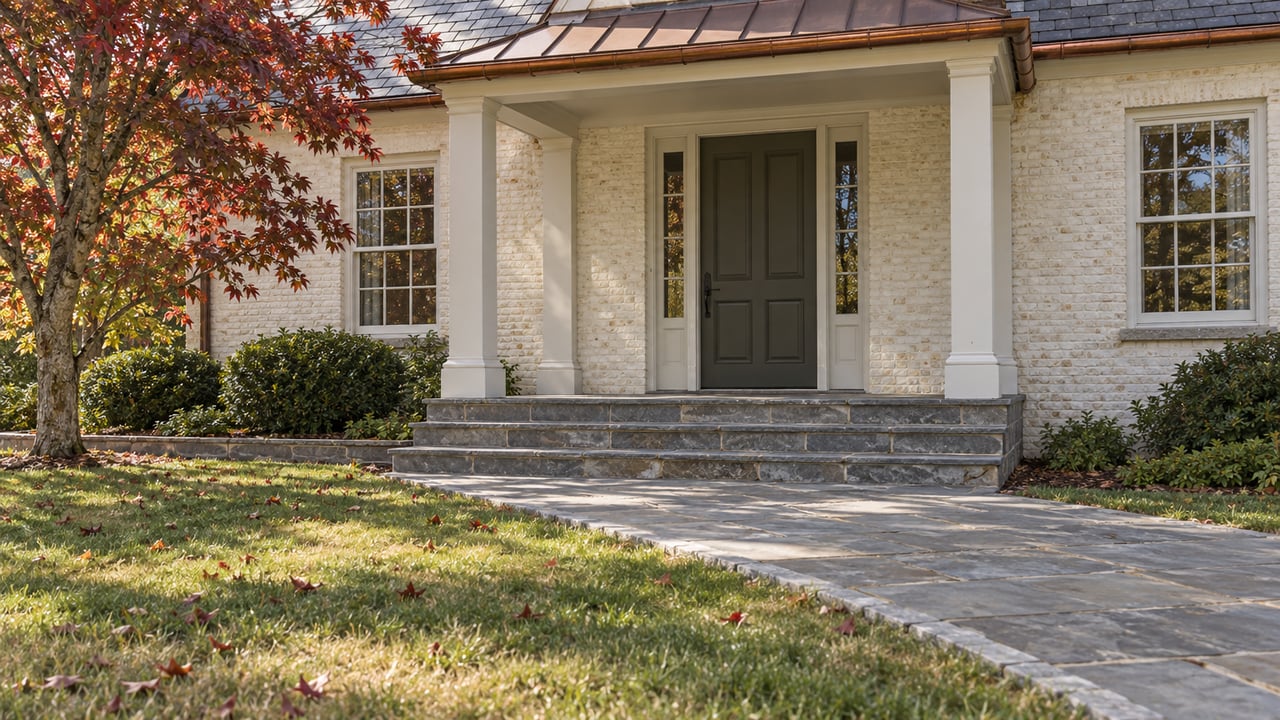
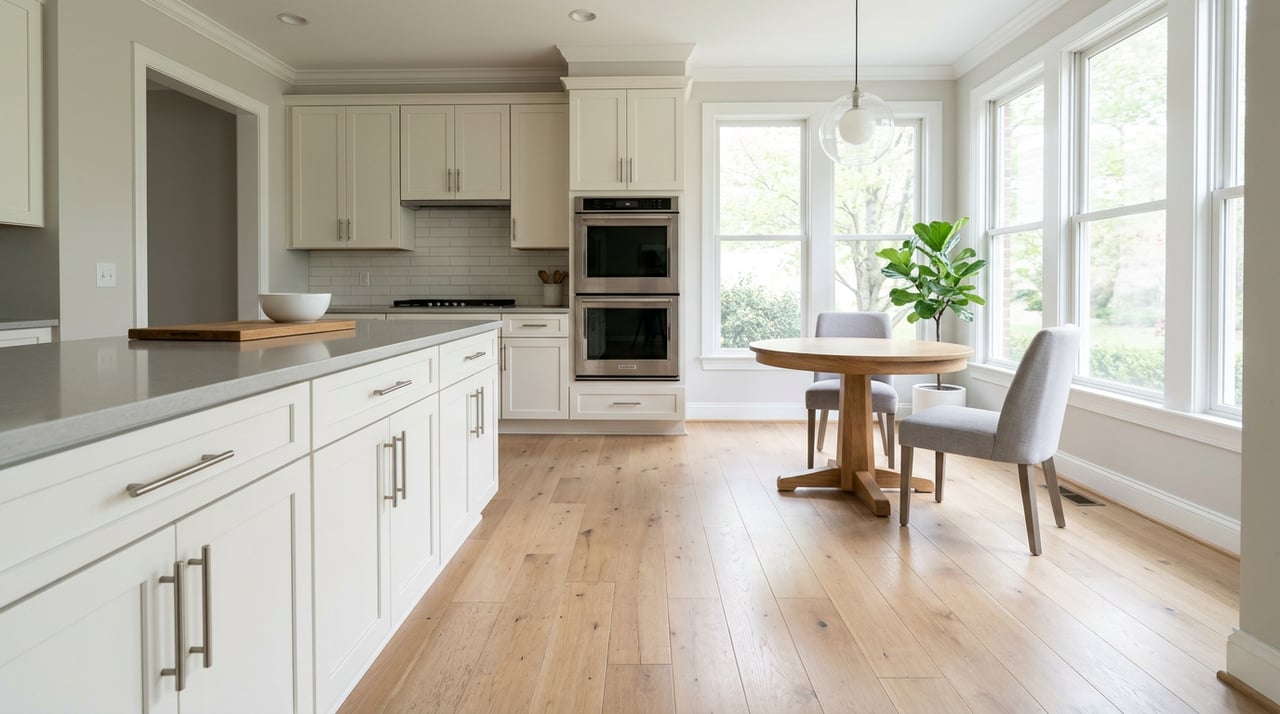
Deciding between a brand-new build or a resale home in Belvedere can feel like comparing apples to oranges. You want the right price, the right timing, and the right fit for your lifestyle. In this guide, you’ll see what sets new construction and resales apart in this popular Albemarle community so you can move forward with confidence. Let’s dive in.
Belvedere at a glance
Belvedere is a planned, mixed-use neighborhood just north of Charlottesville known for walkability, green space, and a long-term development plan that blends townhomes, detached homes, and a small town center. You can learn more about the neighborhood’s origins and new-urban design on Cvillepedia’s overview of Belvedere’s master plan and history.
Amenities add to the appeal. Belvedere features pocket parks, about five miles of internal trails with connections to the Rivanna Trail, a village green, and an on-site town center area called Belvedere Station. The neighborhood’s amenities and trail network are highlighted on the Belvedere neighborhood page.
Belvedere also has sustainability roots. Early phases emphasized green building, a theme noted by local reporting on the community’s origins and energy-minded construction practices. For background, see Charlottesville Tomorrow’s coverage of Belvedere’s “green” focus.
New construction: what to expect
Price ranges today
New construction in Belvedere is active and offered by multiple regional builders. Recent signals show a broad range: many townhomes start in the high $400,000s to low $500,000s, single-family homes often begin in the mid $500,000s, and larger models and villas commonly reach into the $700,000 to $800,000-plus range. Final pricing depends on floor plan, lot premiums, and the options you select.
Features and finishes
You can expect contemporary finishes as standard in many new builds. Common features include quartz or granite kitchen counters, soft-close cabinetry, stainless appliances with gas cooking, hardwood or engineered-hardwood on main levels, composite decks like Trex, gas fireplaces in many plans, and attached garages. Builders typically offer upgrade packages for tile, lighting, and appliance suites if you want to personalize beyond the base package.
Energy and warranties
Belvedere’s new homes often come with modern efficiency features and third-party testing. It’s common to see HERS scores in the mid 50s to low 60s, along with air sealing, low-E windows, and tankless water heaters noted in listings. That aligns with the community’s early emphasis on green building, highlighted by Charlottesville Tomorrow’s reporting. Lower HERS scores usually translate to lower utility costs, so request the HERS report and any projected utility estimates for the specific home you’re considering.
New homes also typically include a builder warranty package. Many builders follow a 1-year workmanship, 2-year systems, and 10-year structural coverage model. Always confirm the exact warranty terms in the contract. For a plain-language overview of what builders often cover, see this builder guide to new construction timelines and warranties.
Resale homes: what to expect
Price snapshot
Resale prices also span a wide band. Many townhomes have sold recently in roughly the low-to-mid $500,000s, while larger or more upgraded detached homes regularly list closer to the $800,000 to $900,000 range. Use current MLS comparables to dial in pricing for your exact property type and location inside Belvedere.
What you get
With a resale, you trade customization for immediacy and established surroundings. You may find mature landscaping, finished outdoor spaces, window treatments, and a known performance history for systems. Some resales will feature recent updates that rival new construction finishes, while others may present value if you are open to cosmetic projects.
Operating costs
Operating costs vary by age and upgrades. Many resales in Belvedere were built with energy-minded practices, but mechanicals, insulation standards, and window technology can differ year to year. Ask for the seller’s recent utility bills and any available energy certifications. If efficiency is a key priority, compare those numbers to HERS data on a new build.
Move-in timing and risk
Quick-move options
If you need to move soon, you have two faster paths. Resales can often close on a normal purchase timeline. Some builders also release spec or quick-move-in homes that are already under construction. These can often close in 30 to 90 days, depending on completion and your loan schedule. For a consumer-friendly explainer, see this builder resource on spec and quick-move timing.
Build-to-order timing
If you want to choose the plan, homesite, and finishes, plan on a longer lead time. A common national window for a made-to-order single-family home is roughly 6 to 12 months from groundbreaking, with variability for permitting, weather, and supply chains. For a helpful overview, see SoFi’s guide on how long it takes to build a house.
When resale makes sense
If your top priority is certainty and speed, resale often wins. You can lock in a closing date, negotiate repairs or credits after inspections, and avoid construction delays. If you need to coordinate a simultaneous sale and purchase, predictability can reduce stress.
Energy efficiency and operating costs
Belvedere’s roots in green building continue to show up in present-day listings. New homes with verified HERS scores in the 50s to 60s can offer meaningful monthly savings compared to older code baselines. Request the HERS report for any new build and ask for recent utility bills on a resale so you can compare apples to apples. Even a small difference in monthly energy use adds up over years of ownership.
Two quick tips:
- Ask the builder for third-party energy test documentation and any projected utility estimates tied to your exact plan and options.
- For resales, get at least 12 months of utility history and note any recent system replacements.
HOA and lifestyle considerations
Sub-associations and services
Belvedere uses several sub-associations for different product types, and inclusions can vary by section. Many attached products include exterior maintenance items like lawn care, trash service, snow removal, and sometimes gigabit fiber internet as part of the dues. The neighborhood’s amenity network and village center concept are outlined on the Belvedere neighborhood page. Belvedere has also been an early adopter of fiber-to-the-home. For context on the fiber build, see this industry article on the community’s FTTH partnership.
What to review before you buy
Before you write an offer, request and review the full HOA package for your specific home:
- CC&Rs, rules, and architectural guidelines
- Operating budget, reserve information, and any special assessment history
- Rental policies, parking rules, and pet rules
- All transfer, initiation, or move-in fees
- A line-by-line list of what dues cover, including lawn care, snow, trash, and internet
Small differences between sub-associations can affect your monthly costs and how you use your property. Get clarity early so there are no surprises at closing.
Side-by-side comparison
- Speed to move: resale is usually fastest, then quick-move spec homes, then build-to-order.
- Customization: build-to-order is most flexible; spec and resales offer limited changes without renovation.
- Upfront price: new homes often carry a premium for warranties, new systems, and modern finishes; resales may offer value if updates are needed.
- Operating costs: new builds typically test more efficient. Verify with HERS or utility data.
- Lifestyle and HOA: services and fees vary by Belvedere sub-association. Confirm what is included.
How to match your goals
- You want new finishes, low maintenance, and energy savings: Focus on new construction. Ask for HERS documentation, warranty terms, and a clear completion window in writing.
- You want speed, established surroundings, and potential price efficiency: Target resale listings and quick-move inventory. Budget for any cosmetic updates after closing.
- You value walkability and amenities: Both paths work in Belvedere. Compare the exact section’s trail access, green space, and town center proximity using the Belvedere amenities overview.
Pro tips for Belvedere buyers
- Confirm the build timeline and closing window, including what happens if there are delays.
- Ask for the HERS report and projected utilities for new builds; request 12 months of utility bills on resales.
- Review the HOA documents and fee schedule for your exact sub-association before you remove contingencies.
- Compare total cost of ownership, not just price. Include HOA dues, utilities, and likely near-term maintenance.
Work with a local guide you can trust
Belvedere offers great choices whether you lean new or resale. If you want clear numbers, timeline certainty, and skilled negotiation, our team can help you compare your options and move with confidence. We combine deep neighborhood knowledge with a team-based process and an in-house licensed home inspector to reduce surprises and keep your purchase on track.
Have questions about a specific plan, section, or resale? Reach out to the Marjorie Adam Team, REALTORS® for a friendly, no-pressure consultation.
FAQs
What should I budget for a new construction home in Belvedere?
- Many townhomes start in the high $400,000s to low $500,000s, single-family homes often begin in the mid $500,000s, and larger models and villas can reach into the $700,000 to $800,000-plus range, depending on options and lot premiums.
How long does a Belvedere new build usually take?
- A common window is about 6 to 12 months from groundbreaking, while spec or quick-move homes can often close in 30 to 90 days, depending on completion and loan timing.
Are Belvedere HOAs different by section?
- Yes. Belvedere uses sub-associations that can include varying services like lawn care, snow removal, trash service, and sometimes gigabit fiber internet. Always review the HOA package for the specific property.
Are new Belvedere homes more energy efficient than resales?
- Typically yes. Many new homes report HERS scores in the mid 50s to low 60s, which can mean lower operating costs. Ask for the HERS report on new builds and recent utility bills on resales to compare.
Can I use a buyer’s agent when purchasing from a builder in Belvedere?
- Yes. The builder’s representative works for the builder. Your own agent can help compare options, negotiate terms and timelines, and review warranties and HOA details. Builders often pay the buyer-agent commission, but always confirm in writing.