




















What Is Your Central Virginia Home Worth in Today's Market?
- Instant property valuation
- Expert advice
- Sell for more
Loading valuation...

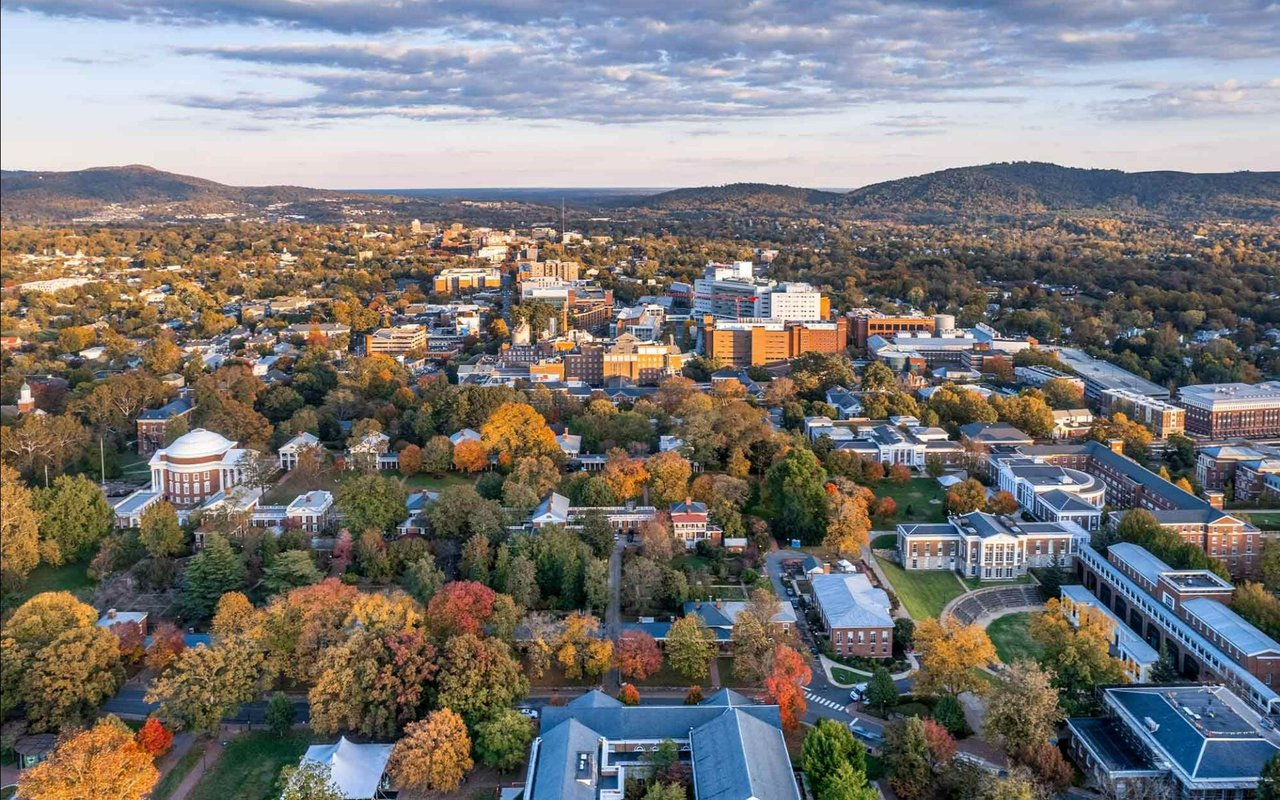
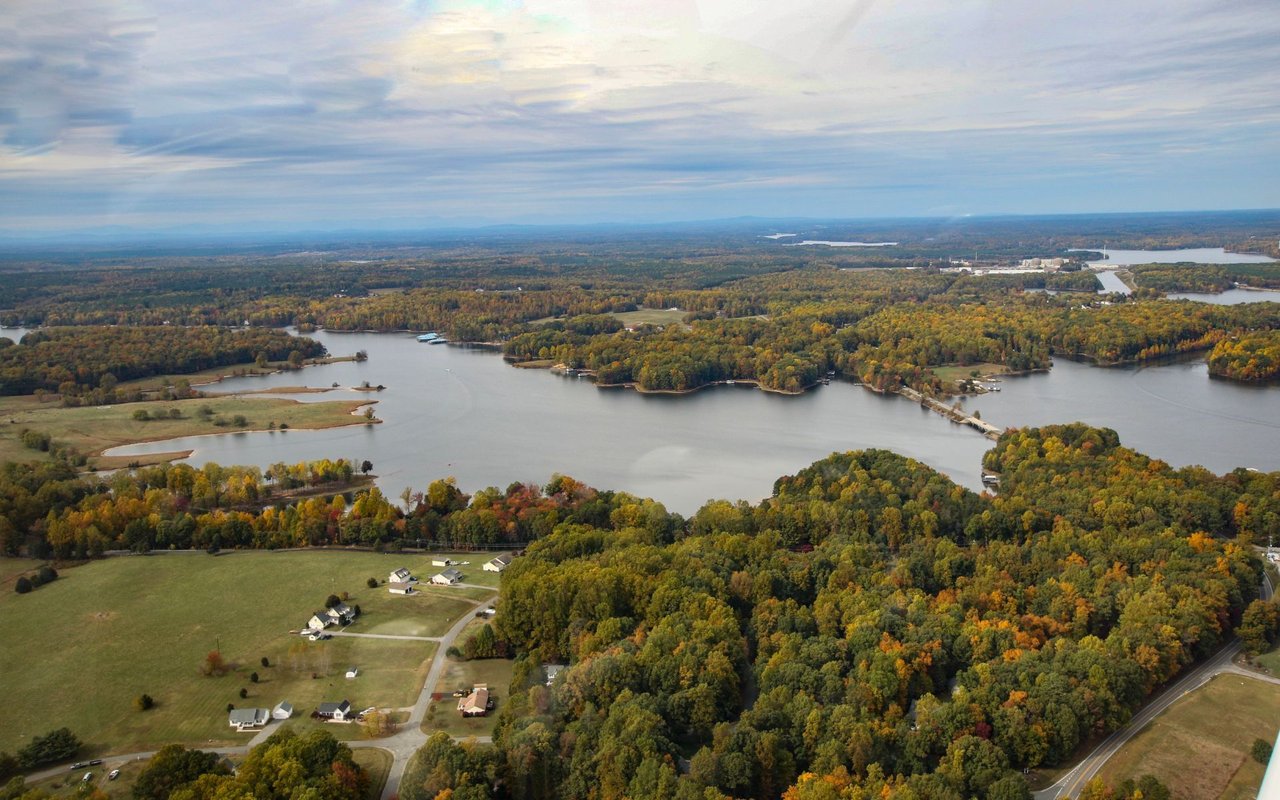
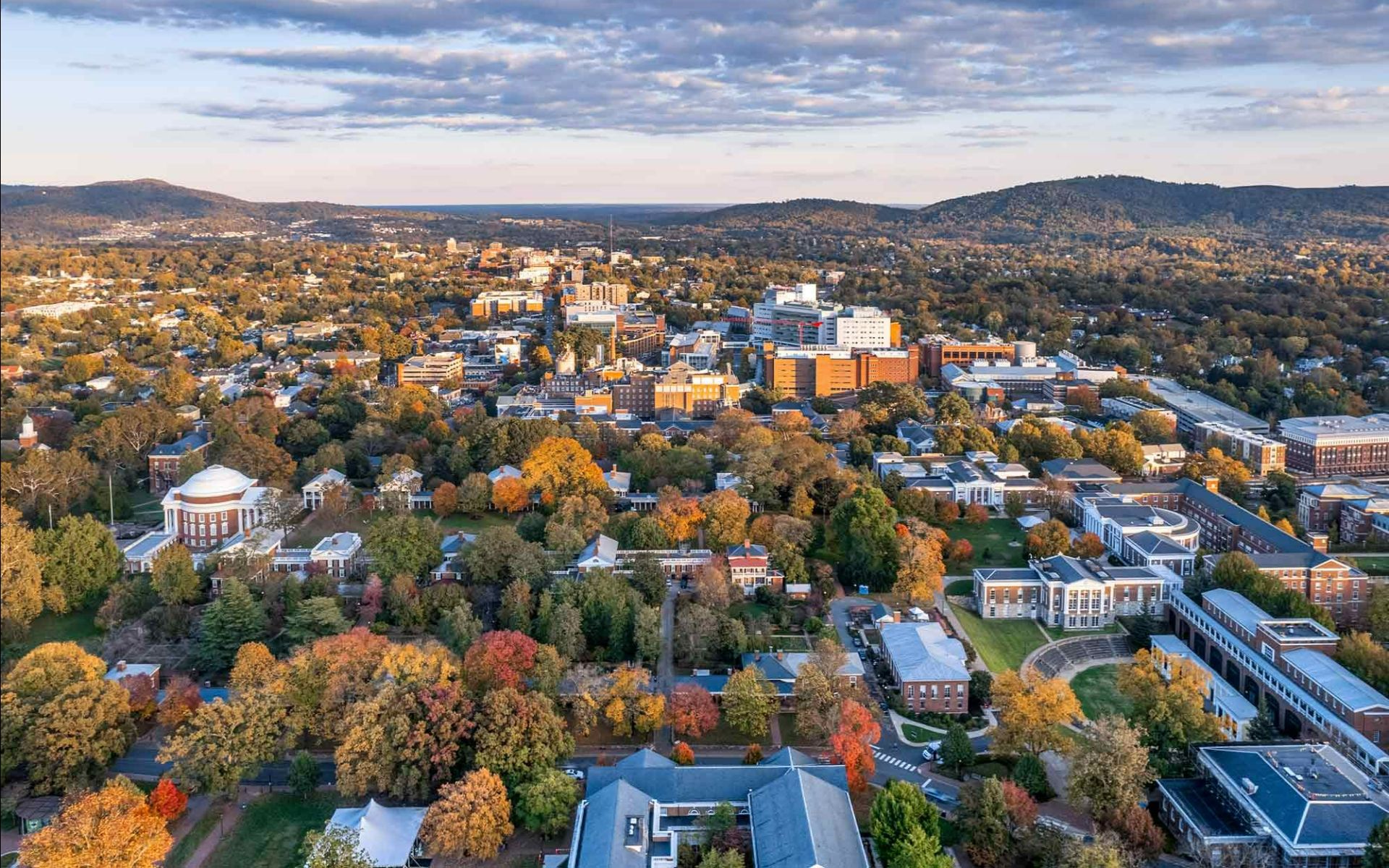
Set against the foothills of the Blue Ridge Mountains, Charlottesville offers a distinctive blend of historic character, academic prestige, and refined everyday living. Known for the University of Virginia, the Downtown Mall, and a strong culture of design, food, and outdoor recreation, the city appeals to full-time residents, relocating professionals, and buyers seeking a market with both lifestyle depth and long-term value.
Located in Central Virginia within Albemarle County, Charlottesville is defined by its walkable urban core, architecturally significant neighborhoods, and easy access to vineyards, trails, and scenic countryside. Residents enjoy a highly livable mix of historic homes, established residential enclaves, and newer communities, along with direct connections via U.S. Route 29, Interstate 64, and Route 250. Whether you are drawn to a classic residence near the University, a home close to Downtown, or a property with more privacy in the surrounding area, Charlottesville delivers a balanced real estate landscape shaped by education, culture, and enduring regional appeal.
| Key Facts about Charlottesville, VA | |
|---|---|
| Area | ~10.25 sq mi (city land area) |
| County | Independent city within Albemarle County region |
| Established | 1762 |
| Population (recent est.) | ~44,767 |
| Notable Areas | Downtown Mall • University of Virginia area • North Downtown • Belmont • Fry’s Spring • Woolen Mills |
| Signature Attractions | University of Virginia • Monticello • Historic Downtown Mall • Monticello Wine Trail • Rivanna Trail • Blue Ridge Parkway access |
| Main Roads | U.S. Route 29 • Interstate 64 • Route 250 • Jefferson Park Avenue • Ridge Street |
From historic in-town residences to elegant homes in established neighborhoods, Charlottesville pairs culture, education, and scenic Virginia beauty—creating a lifestyle that feels thoughtful, grounded, and consistently desirable.
Charlottesville is centrally located in Virginia, nestled at the foothills of the Blue Ridge Mountains and anchored by the University of Virginia. The city blends a walkable historic core with surrounding residential neighborhoods and scenic countryside, creating a highly livable and connected environment.
Regional connectivity is supported by Interstate 64 and U.S. Route 29, providing direct access to Richmond, Washington, D.C., and surrounding Virginia markets. Charlottesville–Albemarle Airport and Amtrak rail service further enhance accessibility for both daily commuters and long-distance travel.
| Connectivity & Transportation — Charlottesville, VA | |
|---|---|
| Location Map & Overview | Central Virginia city located within the Blue Ridge foothills. Anchored by the University of Virginia and the Historic Downtown Mall, with a mix of urban walkability and surrounding countryside access. |
| Nearby Areas & Communities |
|
| Attractions & Points of Interest |
|
| Public Transport |
|
| Road Access & Main Highways |
|
| Typical Drive Times* |
*Subject to traffic conditions
|
| Parking | Parking is available in downtown garages and street spaces, particularly around the Downtown Mall. Residential areas typically offer private parking, with less congestion than larger metropolitan areas. |
| Walking & Cycling | Highly walkable areas include the Downtown Mall and UVA campus. The Rivanna Trail and local greenways support cycling, running, and outdoor recreation. |
| Taxi & Ride Apps | Uber and Lyft are widely available, along with local taxi services and private transportation options. |
| Airport Access |
|
| Accessibility & EV | Charlottesville offers ADA-accessible public spaces, with growing EV charging infrastructure available in downtown areas, shopping centers, and newer residential developments. |
Charlottesville combines regional accessibility with a refined, walkable lifestyle—offering a balance of historic charm, modern convenience, and strong connectivity across Central Virginia.
Charlottesville’s real estate market continues to benefit from a rare mix of university-driven demand, limited in-town inventory, and strong appeal across both the city and greater Albemarle area. As of late 2025 into early 2026, recent market trackers place the median sale price around the low-$400Ks, while broader listing data trends closer to the low-$600Ks, reflecting the gap between sold-home averages in the city core and asking prices across higher-end neighborhoods. Price per square foot generally falls in the mid-$200s to upper-$200s, with premium pockets such as North Downtown and select University-area neighborhoods trading substantially higher. Homes often spend around seven to eight weeks on market, though desirable in-town listings and well-prepared homes can move faster.
| Property Type | Median Price (USD) | Price per Sq.Ft (USD) | Average Rent (USD/month) | Rental Yield |
|---|---|---|---|---|
| 2BR Condo / In-Town Residence | $365,000 (est.) | $285 | $2,000 | 6.6% (est.) |
| 2–3BR Cottage / Townhome | $475,000 (est.) | $290 | $2,250 | 5.7% (est.) |
| 3BR Single-Family Home | $625,000 (est.) | $286 | $2,850 | 5.5% (est.) |
| 4BR Luxury / Estate Home | $1,050,000 (est.) | $340 | $4,250 | 4.9% (est.) |
Methodology & Notes: Recent Charlottesville market reports show a median sold price near $407K, median sold price per square foot around $286, and average market time around 52 days. Broader market and neighborhood listing data indicate a higher median asking range near $617K and average rents around $1,996–$2,200/month. Segment pricing above blends sold-market and active-market patterns to estimate typical property categories in Charlottesville and nearby high-demand neighborhoods.
Life in Charlottesville blends academic energy, historic character, and Blue Ridge access. Anchored by the University of Virginia and the Historic Downtown Mall, the city offers a lifestyle shaped by walkable districts, thoughtful architecture, vineyards, live music, strong local dining, and easy escapes into the surrounding countryside. It feels cultured and active without losing its approachable scale.
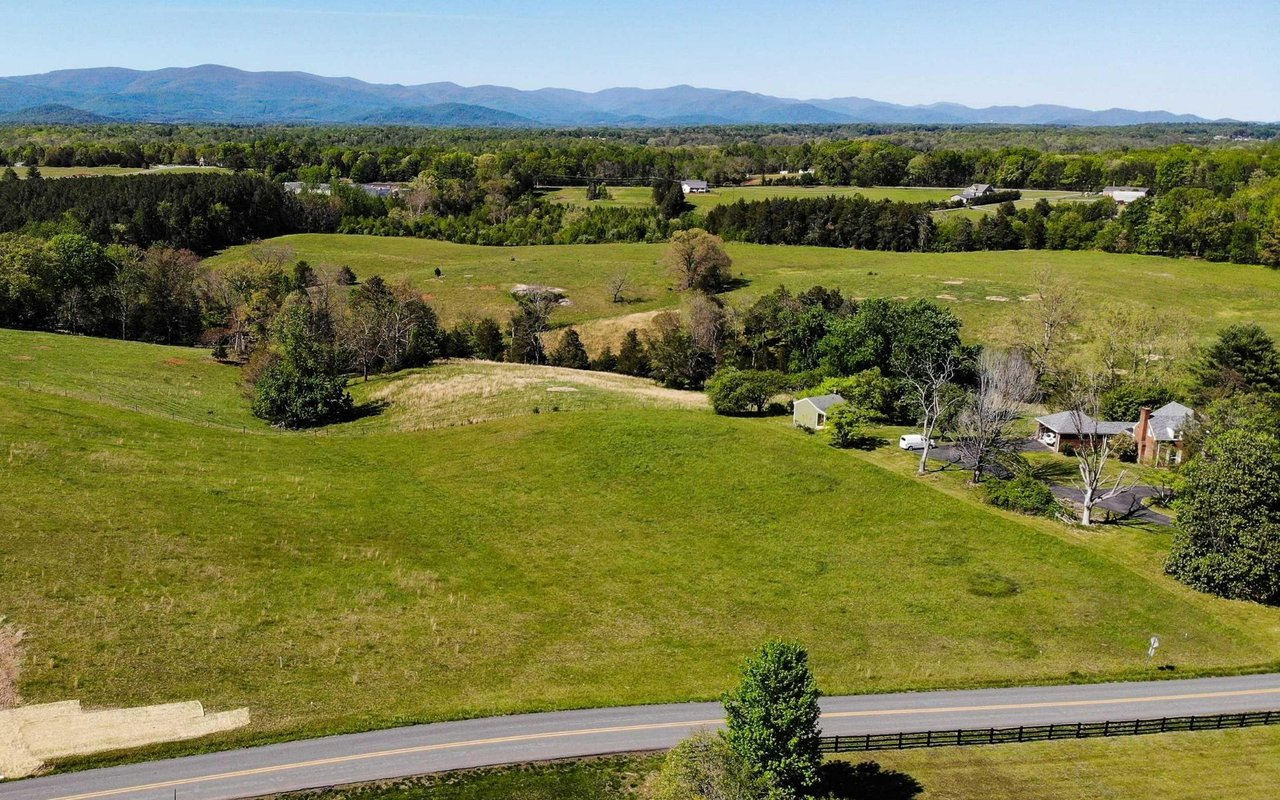
Central Virginia setting at the foothills of the Blue Ridge Mountains, with quick access to Albemarle County countryside, Shenandoah recreation, and major regional routes including I-64 and Route 29.
Intellectual, design-conscious, and community-oriented. The city blends historic neighborhoods, university influence, local arts, and a strong small-business culture with a pace that feels more personal than larger metro markets.
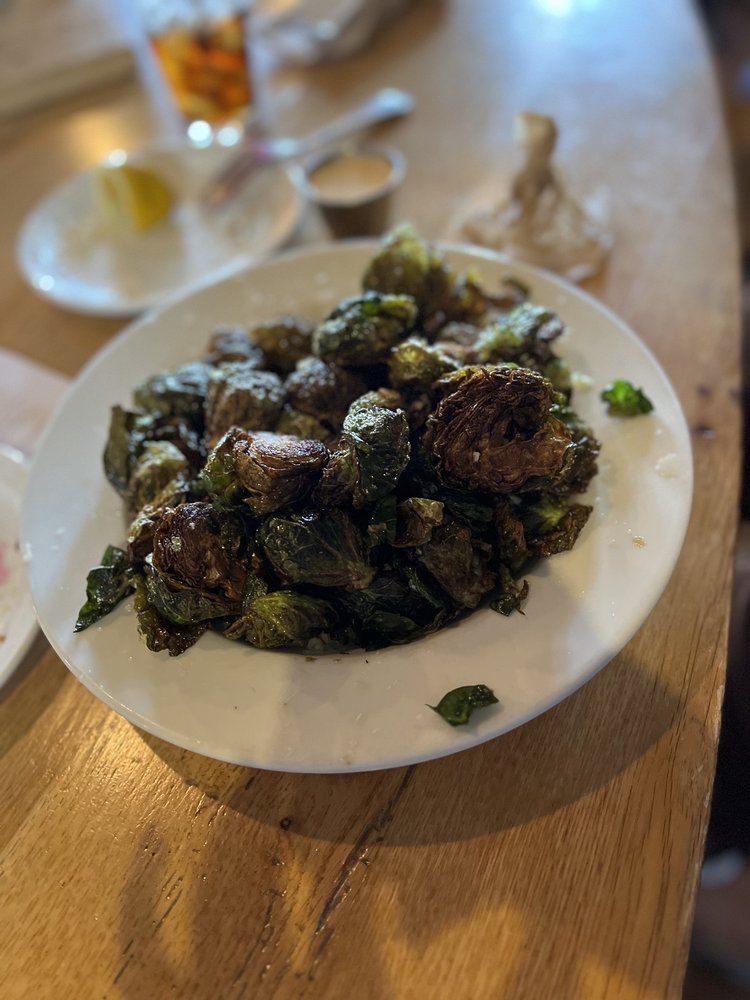
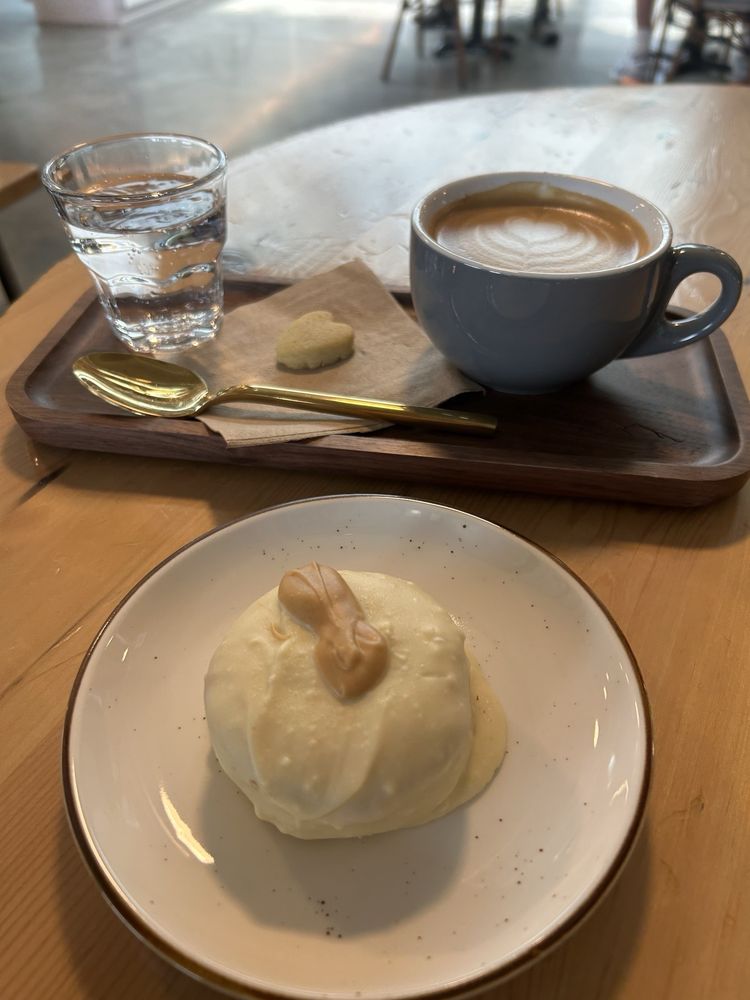
A standout food scene built around independent restaurants, wine bars, coffee shops, and farm-to-table influences. Downtown and nearby corridors offer a strong mix of casual neighborhood spots and destination dining.
Defined by the presence of the University of Virginia and supported by public, private, and independent school options. The area appeals strongly to households that value academics, culture, and lifelong learning.
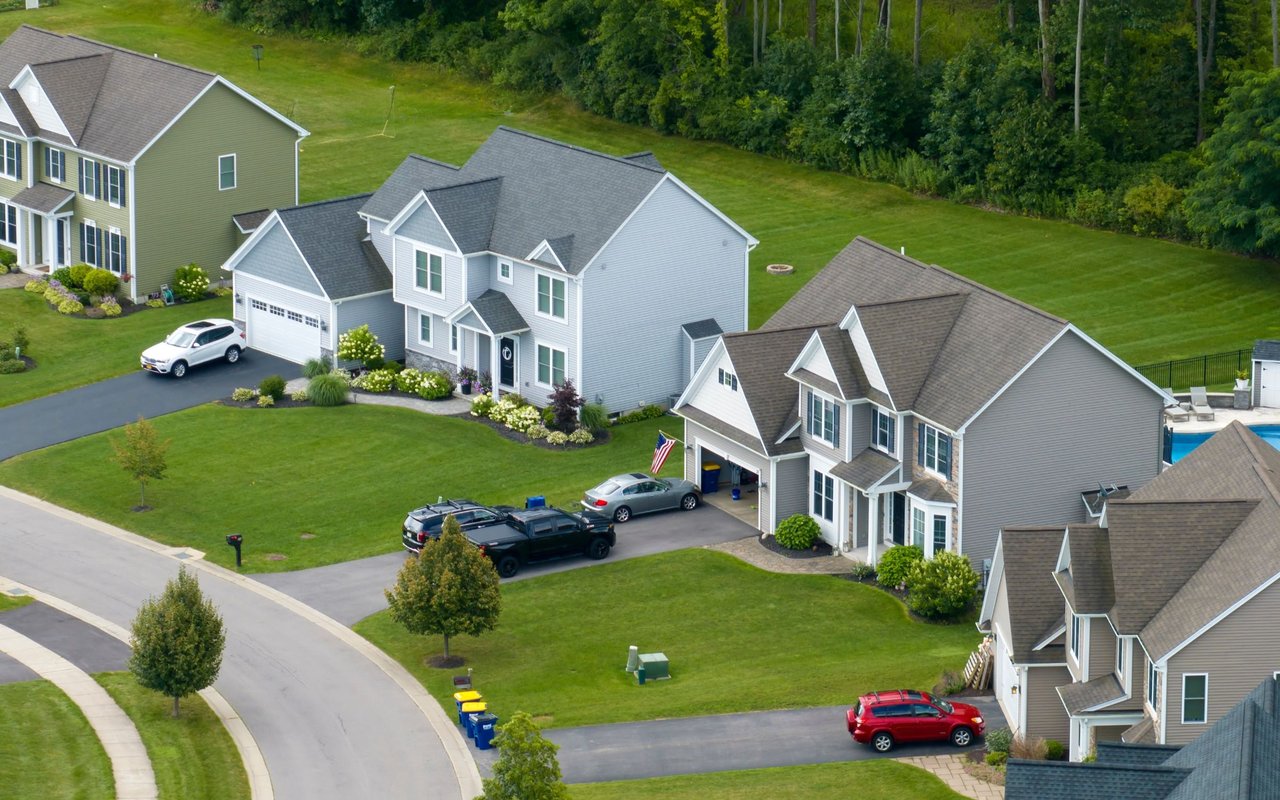
Mix of historic homes, in-town condos, classic brick residences, cottages, and newer communities in surrounding Albemarle County. Premiums rise for walkability, architectural integrity, school access, and mountain or pastoral views.
Day-to-day mobility is a balance of driving, walkability, and transit. CAT bus service, the free trolley corridor, Amtrak access, and Charlottesville-Albemarle Airport improve regional convenience.
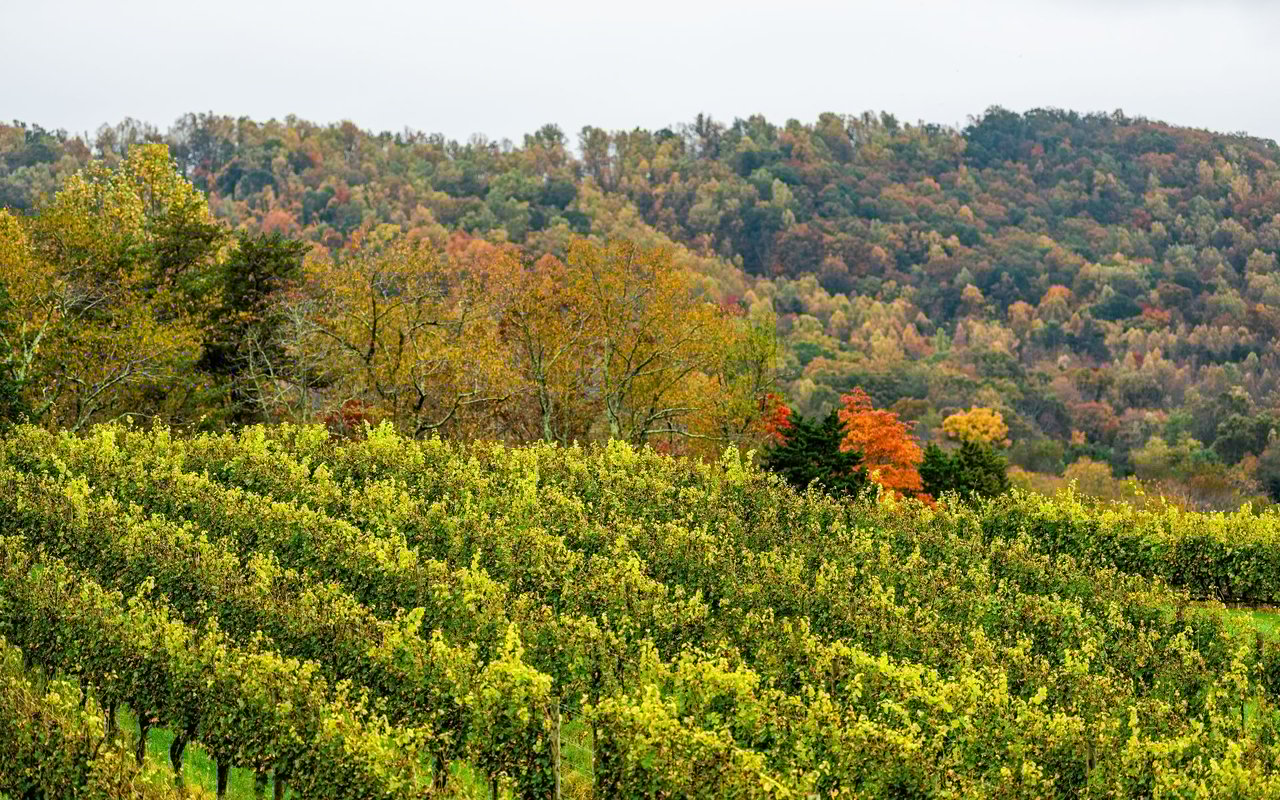
Four-season climate with warm summers, colorful autumns, cool winters, and active spring transitions. The setting supports year-round outdoor use, from trail walks to vineyard weekends.
Daily essentials, healthcare access, university-linked cultural institutions, boutique retail, performing arts, and winery-driven leisure all contribute to a highly complete lifestyle market.
Well-educated population with a strong mix of university professionals, healthcare workers, entrepreneurs, students, and long-time residents. The city also shows high rates of bachelor's degree attainment and a shorter-than-average commute.
Strong cultural identity, respected university influence, scenic surroundings, robust dining, outdoor access, and a housing market with enduring regional demand.
Limited in-town inventory, premium pricing in top neighborhoods, traffic pressure around university and corridor areas, and competition for well-located homes.
Residents enjoy the Rivanna Trail, nearby hiking, cycling routes, vineyard outings, scenic drives, and quick access to Shenandoah-area recreation and Blue Ridge overlooks.
Charlottesville’s lifestyle brings together culture, education, and natural beauty—offering a daily experience that feels grounded, active, and distinctly refined without being overdone.
Charlottesville offers a well-rounded mix of amenities—from advanced healthcare and locally driven retail to outdoor recreation and cultural institutions. Below are key highlights that support the area’s balanced lifestyle and long-term livability.
Families in Charlottesville are primarily served by Charlottesville City Schools and Albemarle County Public Schools, with a strong selection of private, independent, and faith-based institutions. The area is known for its emphasis on academic achievement, college preparation, and enrichment opportunities supported by proximity to the University of Virginia.
Schools in the region often highlight advanced academics, arts and music, STEM programs, and community-based learning. Parents should confirm attendance zones, application requirements, and specialty programs directly with each school or district.
| School / Preschool | Type | Location | Highlights |
|---|---|---|---|
| Greenbrier Elementary School | Public (PK–4) — Charlottesville City | Charlottesville | Strong academic foundation, arts integration, and active parent community. |
| Murray Elementary School | Public (PK–4) — Charlottesville City | Charlottesville | Focus on project-based learning and individualized instruction. |
| Brownsville Elementary School | Public (K–5) — Albemarle County | Crozet | Highly rated school with strong academics and community involvement. |
| Walker Upper Elementary | Public (5–6) — Charlottesville City | Charlottesville | Transitional academic support with enrichment in arts and leadership. |
| Buford Middle School | Public (7–8) — Charlottesville City | Charlottesville | Comprehensive curriculum with athletics, arts, and academic support programs. |
| Charlottesville High School | Public (9–12) — Charlottesville City | Charlottesville | Strong college-prep focus with AP courses, athletics, and arts programs. |
| Western Albemarle High School | Public (9–12) — Albemarle County | Crozet | Highly regarded academics, AP offerings, and strong extracurriculars. |
| Albemarle High School | Public (9–12) — Albemarle County | Charlottesville | Diverse programs including STEM, arts, and career pathways. |
| Tandem Friends School | Independent (5–12) | Charlottesville | Progressive Quaker-based education with strong arts and individualized learning. |
| St. Anne’s-Belfield School | Private (PK–12) | Charlottesville | Prestigious college-prep school with advanced academics and athletics. |
| The Covenant School | Private (PK–12) | Charlottesville | Classical Christian education with strong academic rigor. |
| Mountaintop Montessori | Private Preschool / K | Charlottesville | Montessori-based curriculum emphasizing independence and hands-on learning. |
| Bright Beginnings Preschool | Private Preschool | Charlottesville | Play-based early education with focus on social and cognitive development. |
Districts: Charlottesville City Schools and Albemarle County Public Schools. Tip: School zoning, admissions, and program offerings can vary—always verify directly with each institution for the most up-to-date information.
Charlottesville stands out as one of Virginia’s most stable and resilient real estate markets, supported by the University of Virginia, a strong healthcare sector, and consistent in-migration from larger metro areas. The city attracts a mix of long-term residents, investors, and second-home buyers seeking a balance of lifestyle, education, and long-term value. Home prices have shown steady appreciation over the past decade, with consistent demand in both the city core and surrounding Albemarle County. Forecasts suggest continued moderate growth of approximately 3% to 5% annually through 2025 and beyond.
Why Charlottesville? The market remains competitive due to limited inventory, especially in walkable neighborhoods and areas near UVA. Median home prices generally fall between the mid-$400Ks and $600K+ range depending on location, while premium properties in areas like Ivy, Keswick, and North Downtown exceed $1M. The presence of UVA, UVA Health, and a growing professional workforce provides a reliable tenant base and long-term demand, making Charlottesville an attractive market for both appreciation and rental income.
| Market Segment | Median Price | YOY Change | Days on Market |
|---|---|---|---|
| Charlottesville City | $420K–$650K | +4.5% | 50–60 days |
| Albemarle County | $550K–$800K+ | +5.0% | 45–55 days |
| Downtown / UVA Condos | $300K–$500K | +5.5% | 35–50 days |
| Luxury / Estate Areas | $1M–$3M+ | +4.0% | 60–90 days |
Charlottesville offers a compelling balance between stability and growth. Properties near UVA and downtown consistently attract strong buyer and renter interest, while suburban and estate areas benefit from lifestyle-driven demand. Limited housing supply continues to support pricing, and well-positioned homes often perform strongly relative to list price.
Key Investment Highlights:
Whether targeting in-town condos, suburban homes, or luxury estates, Charlottesville presents a balanced investment profile supported by education, healthcare, and lifestyle-driven demand. The market is expected to maintain steady growth with continued buyer interest and limited supply shaping long-term value.
In the heart of Central Virginia, Charlottesville offers a lifestyle that blends historic character with modern livability. From the vibrant Downtown Mall to the iconic University of Virginia campus and the surrounding Blue Ridge landscapes, the city delivers a balanced rhythm of culture, education, and everyday convenience.
Housing options range from historic homes and walkable downtown residences to suburban neighborhoods and luxury estates in Albemarle County. Premiums are driven by proximity to UVA, downtown walkability, scenic views, and access to top-rated schools. Inventory remains limited, which continues to support long-term value.
Daily life in Charlottesville centers around local dining, arts, outdoor recreation, and community events. Residents enjoy hiking nearby trails, exploring wineries along the Monticello Wine Trail, and engaging with a strong local culture shaped by the university and creative economy. Access to quality healthcare, regional transportation, and a highly educated population further enhances the area’s appeal.
With its combination of education, lifestyle, and long-term stability, Charlottesville continues to attract full-time residents, relocators, and investors looking for a refined yet approachable place to live.
Explore Charlottesville Real Estate →Charlottesville offers a balance of education, lifestyle, and long-term value—making it a compelling place to live, invest, and grow.
45,863 people live in Charlottesville, where the median age is 32.9 and the average individual income is $48,395. Data provided by the U.S. Census Bureau.
Total Population
Median Age
Population Density Population Density This is the number of people per square mile in a neighborhood.
Average individual Income
There's plenty to do around Charlottesville, including shopping, dining, nightlife, parks, and more. Data provided by Walk Score and Yelp.
Explore popular things to do in the area, including Rose Hill Market, Kinney & Lee's BBQ & Catering, and MarieBette Cafe and Bakery.
| Name | Category | Distance | Reviews |
Ratings by
Yelp
|
|---|---|---|---|---|
| Dining | 0.11 miles | 0 reviews | 0/5 stars | |
| Dining | 0.12 miles | 0 reviews | 0/5 stars | |
| Dining · $$ | 0.12 miles | 664 reviews | 4.4/5 stars | |
| Dining | 0.13 miles | 0 reviews | 0/5 stars | |
| Dining · $$ | 0.15 miles | 154 reviews | 4.4/5 stars | |
| Dining · $$ | 0.16 miles | 285 reviews | 3.8/5 stars | |
| Dining · $$ | 0.19 miles | 101 reviews | 4.3/5 stars | |
| Dining | 0.24 miles | 1 review | 4/5 stars | |
| Dining · $$ | 0.24 miles | 27 reviews | 4.3/5 stars | |
| Dining · $ | 0.25 miles | 65 reviews | 4.4/5 stars | |
| Dining · $ | 0.26 miles | 2 reviews | 5/5 stars | |
| Dining · $ | 0.26 miles | 198 reviews | 4.1/5 stars | |
| Dining | 0.3 miles | 6 reviews | 5/5 stars | |
| Dining | 0.31 miles | 0 reviews | 0/5 stars | |
| Dining | 0.31 miles | 0 reviews | 0/5 stars | |
| Dining | 0.31 miles | 2 reviews | 3/5 stars | |
| Dining | 0.31 miles | 6 reviews | 4.5/5 stars | |
| Dining | 0.31 miles | 18 reviews | 3.2/5 stars | |
| Active | 0.17 miles | 0 reviews | 0/5 stars | |
| Active | 0.25 miles | 0 reviews | 0/5 stars | |
| Active | 0.3 miles | 2 reviews | 5/5 stars | |
| Beauty | 0.11 miles | 0 reviews | 0/5 stars | |
| Beauty | 0.17 miles | 36 reviews | 4.9/5 stars | |
| Beauty | 0.22 miles | 194 reviews | 3.8/5 stars | |
|
|
||||
|
|
||||
|
|
||||
|
|
||||
|
|
||||
|
|
Charlottesville has 19,699 households, with an average household size of 2.17. Data provided by the U.S. Census Bureau. Here’s what the people living in Charlottesville do for work — and how long it takes them to get there. Data provided by the U.S. Census Bureau. 45,863 people call Charlottesville home. The population density is 4,477 and the largest age group is Data provided by the U.S. Census Bureau.
Total Population
Population Density Population Density This is the number of people per square mile in a neighborhood.
Median Age
Men vs Women
Population by Age Group
0-9 Years
10-17 Years
18-24 Years
25-64 Years
65-74 Years
75+ Years
Education Level
Total Households
Average Household Size
Average individual Income
Households with Children
With Children:
Without Children:
Marital Status
Blue vs White Collar Workers
Blue Collar:
White Collar:
Enter your details to see how much your home is worth.
Schedule a free consultation with a top local agent who can help you estimate and understand your home's value.

Marjorie Adam
Principal Broker | Founder | Founder of Real Estate Mastery Academy (RMA)
About Me
We need more information to provide an accurate estimate for this address. Local expert Marjorie Adam will reach out shortly or you can schedule a consultation now.