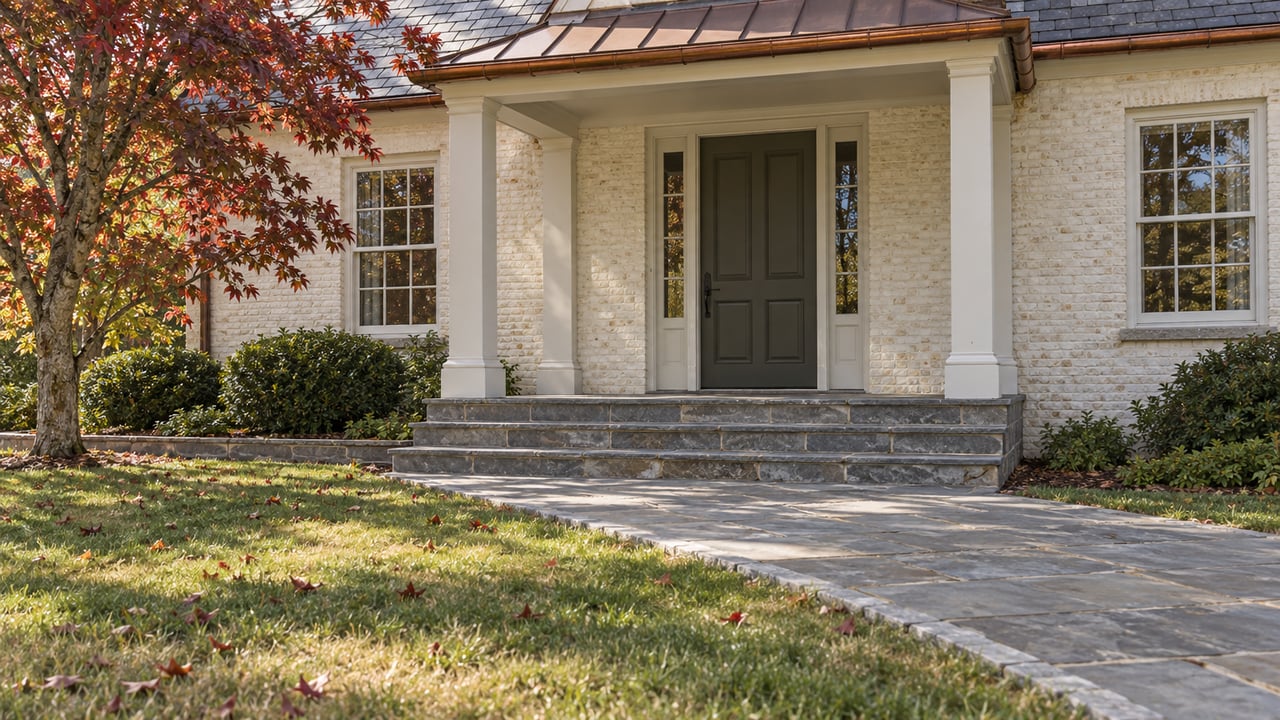
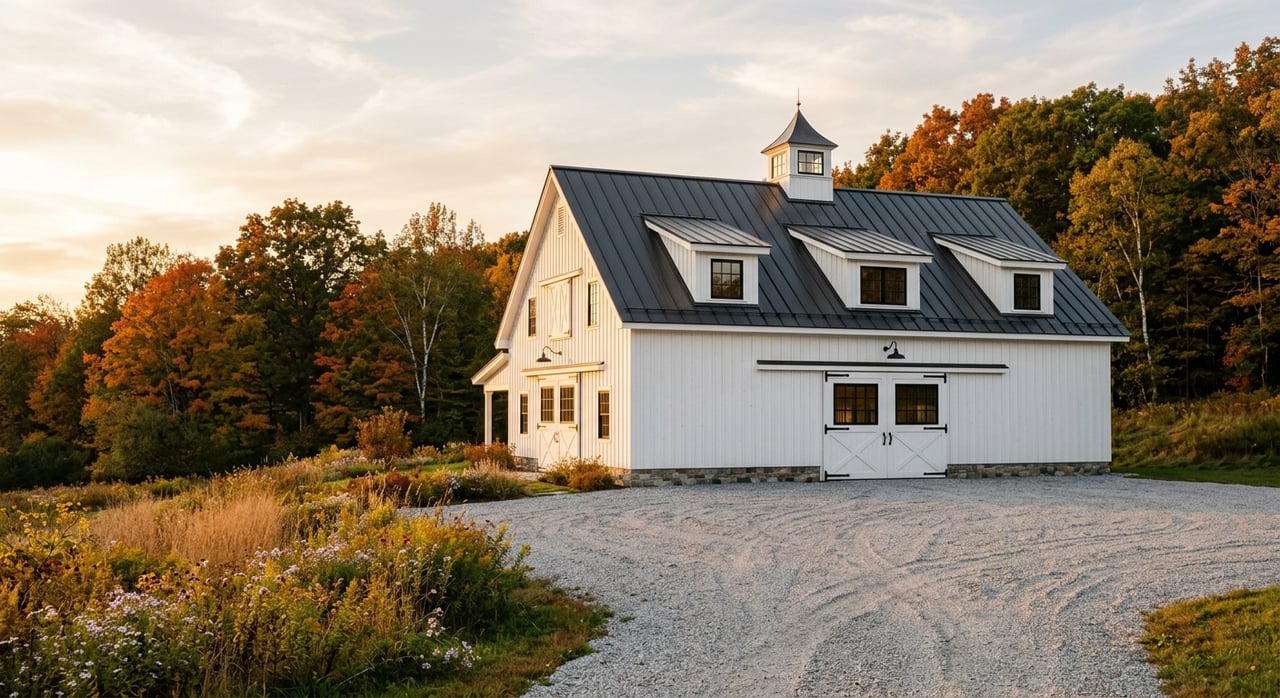
Wondering if that beautiful Keswick farm or horse property is really as usable as it looks? You are not alone. Buying rural property in Albemarle County can be exciting, but it also comes with details that are easy to miss if you are only focused on the house, the barn, or the view. This guide will help you look past first impressions and understand what matters most before you commit. Let’s dive in.
Why Keswick farm buyers need a closer look
Keswick sits in a part of Albemarle County where rural land use matters. The county’s planning framework directs most new development into designated Development Areas, while the large majority of land remains in the Rural Area for agriculture, natural resource protection, and limited residential use.
That matters because a parcel can look flexible on the surface but still have meaningful limits. If you are buying a farm or equestrian property around Keswick, you want to understand not just what is there today, but also what the land can legally and practically support tomorrow.
Start with Albemarle County land use
In Albemarle’s Rural Area, agricultural operations are generally a by-right use. The county defines agricultural operations broadly enough to include bona fide crop and animal production, which is helpful for buyers looking at working farms or horse properties.
Still, you should not assume every rural parcel can support every farm-related idea. Public-facing uses like agritourism, events, or clinics may trigger zoning-clearance requirements depending on acreage and visitor traffic.
Check zoning and overlay details
A smart first step is reviewing parcel-specific county records. Albemarle’s GIS resources include zoning, Agricultural/Forestal districts, conservation easements, and open-space use agreements.
Those layers are useful, but they are only a starting point. The county notes that some parcels may be only partly within those mapped areas, so the official parcel record and deed documents still need to be checked.
Verify development rights early
If you are thinking long term, development rights matter. Rural Area parcels in Albemarle may still be affected by development rights assigned in 1980, which can influence whether the property can be subdivided or support another dwelling.
This is one of the most important questions to answer before you buy. A property with the right layout but limited development rights may not support your future plans the way you expect.
Look beyond total acreage
One of the biggest mistakes buyers make is treating gross acreage like usable acreage. On horse property, the more important question is how much of the land actually works for turnout, pasture rotation, access, and daily management.
You should look closely at slope, drainage, woods, wet spots, gates, lanes, and how the land is divided. A 20-acre parcel with awkward terrain may function very differently from a smaller parcel with better layout and footing.
Pasture needs for horses
Virginia Tech Extension recommends a common rule of thumb of at least two acres of pasture per horse to help maintain healthy sod and groundcover. When you keep more horses on less land, the property typically needs much more active management.
That does not mean every property must fit a simple formula. It does mean you should assess whether the pasture setup matches your intended horse use and how much upkeep you are prepared to handle.
Evaluate barns and fencing for function
A picturesque barn is nice, but function matters more than appearance. When you tour equestrian property around Keswick, pay attention to how the barn, paddocks, gates, and work areas operate together.
The property should support safe, efficient daily movement for horses, people, feed, and equipment. A pretty setup that creates bottlenecks or unnecessary labor can become frustrating very quickly.
Inspect fencing carefully
Safe, secure, durable fencing is a core part of horse-farm management. Virginia guidance also makes clear that livestock owners have an absolute duty to contain animals, so existing fencing should be judged for performance, not just curb appeal.
If the property uses electric fencing, ask for more than a visual walkthrough. Extension guidance says fence performance depends on voltage, grounding, and vegetation load, so testing the system matters.
Review paddock and lane layout
Good layout can save time every day. Extension guidance recommends connecting paddocks and critical infrastructure with lanes to improve animal movement and reduce labor.
It also suggests keeping the most intense-use areas near the barn and using longer-turnout pastures farther away. As a buyer, think about how horses would actually move through the property in wet weather, during feeding, and for routine turnout.
Understand land-use tax questions
If a property has land-use tax treatment, make sure you understand why it qualifies and what could change after closing. Albemarle’s use-value program requires land to be a commercial operation producing at least $1,000 annually per parcel for agricultural qualification.
That is especially important for horse buyers. Horses kept only for pleasure do not qualify for agricultural land-use treatment under the county’s rules.
Ask about rollback taxes
If a qualified use ends, Albemarle warns that deferred taxes from the prior five years can be rolled back and become payable by the current owner. That can be a costly surprise if you assume the existing tax status simply carries forward without conditions.
Before you buy, confirm the property’s current status, what supports that qualification, and what your own intended use would mean after closing.
Verify well and septic records
For vacant land and lightly improved rural property, well and septic due diligence should happen early. The Virginia Department of Health advises buyers to review deed records for conditional permits, waivers, easements, and notices of recordation.
It also recommends a licensed professional inspection, even though transfer inspections are not required. If the property relies on a private well, water testing and ongoing monitoring are also important.
Don’t assume old systems are straightforward
Rural systems can have layered documentation that affects future use. If you plan to add structures, expand living space, or change how the property is used, existing well and septic conditions may matter more than you expect.
That is why it helps to gather records before you get too far down the road. The goal is to understand the property as it exists on paper, not just in person.
Pay close attention to access
Access is one of the most overlooked parts of buying a farm or equestrian property. A driveway may look adequate for a car but still be difficult for trailers, delivery trucks, service vehicles, or emergency access.
If the entrance connects to a state-maintained road, VDOT approval is required for a new entrance. VDOT is also not obligated to approve the owner’s preferred entrance location or design.
Think through everyday use
When you stand at the road, think beyond the first impression. Can a horse trailer turn safely? Is there room for larger vehicles to enter and exit without trouble? Does the approach feel manageable in poor weather?
These practical questions can have a major impact on daily convenience. They can also affect future improvement plans if you hope to relocate or add an entrance later.
Check drainage on every tour
Drainage issues can be expensive and disruptive on rural property. VDOT notes that property owners are responsible for drainage facilities on private property outside public easements and should not obstruct ditches or culverts.
For buyers, that means drainage deserves a real inspection. Walk the ditches, check culverts, notice runoff paths, and look for signs of standing water or erosion.
Wet ground changes usability
Drainage affects more than comfort. It can reduce pasture usability, damage access routes, complicate barn areas, and create muddy high-traffic zones that are hard on both horses and land.
If possible, visit after rain or ask detailed questions about seasonal conditions. A property that shows well on a dry day may function very differently during wetter periods.
Common questions to answer before you buy
Before you move forward on a Keswick farm or horse property, make sure you have clear answers to these points:
- Is the parcel in the Rural Area, and what zoning details apply?
- Are there conservation easements, Agricultural/Forestal district limits, or open-space agreements?
- How many development rights remain?
- Is the usable acreage sufficient for your intended horse or farm use?
- Do the barn, paddocks, lanes, and fencing work safely and efficiently?
- What is the well and septic status, and are supporting records available?
- Does the current tax treatment match your future use?
- Is access practical for trailers, equipment, deliveries, and emergency vehicles?
- Are there drainage problems that could affect turnout, roads, or structures?
- If you want public-facing activity, would zoning clearance be required?
Why local guidance matters
Buying rural property around Keswick often requires more coordination than buying a typical in-town home. You may need to review zoning, development rights, GIS mapping, health department records, access considerations, and specialized inspections before you feel fully comfortable.
That is where local experience adds real value. A knowledgeable team can help you ask the right questions early, coordinate the moving parts, and reduce the risk of surprises after closing.
If you are exploring farm or equestrian property around Keswick, working with a team that understands both residential transactions and rural-property details can make the process feel much more manageable. When you are ready to talk through your goals, connect with the Marjorie Adam Team, REALTORS®.
FAQs
What should you verify before buying a farm property in Keswick?
- You should verify zoning, development rights, easements, land-use tax status, well and septic records, access, drainage, and the actual usability of the acreage.
Can you keep pleasure horses and qualify for land-use tax savings in Albemarle County?
- Usually no. Albemarle says horses kept only for pleasure do not qualify for agricultural land-use treatment.
Can you subdivide a rural parcel around Keswick later?
- Maybe, but you need to confirm the parcel’s development rights first because subdivision potential varies by property.
Can you host clinics or farm events on a Keswick horse property?
- Possibly, but public-facing uses can trigger zoning-clearance requirements based on factors like acreage and visitor traffic.
What makes acreage usable for horses on a Keswick property?
- Usable horse acreage depends on pasture quality, slope, drainage, turnout layout, woods, wet areas, and how the land connects to barns and lanes.
Should you test existing fencing on an equestrian property before closing?
- Yes. If the property uses electric fencing, testing voltage, grounding, and vegetation load is important because visual inspection alone may not show how well the system works.
Do you need approval to add or move a driveway on rural property in Albemarle County?
- If the driveway connects to a state-maintained road, VDOT approval is required before constructing a new entrance.